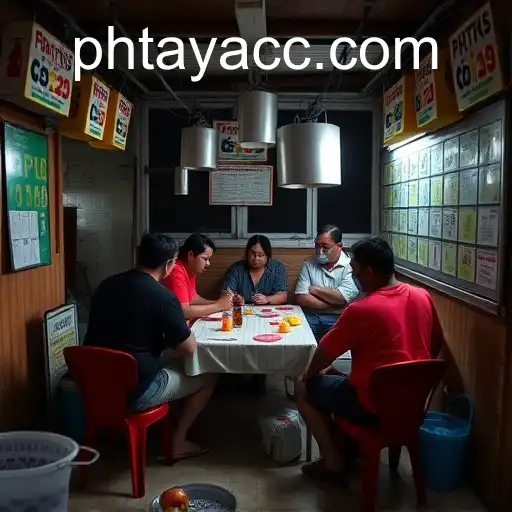
Understanding Jueteng: A Look into the Illegal Numbers Game in the Philippines
Jueteng is a well-known illegal numbers game widely played in the Philippines. Despite its illegal status, the game has embedded itself into the socio-economic fabric of the country, particularly influencing local communities and politics. With its origins tracing back to Spanish colonial times, Jueteng has undergone various transformations but remains a pervasive part of everyday life for many Filipinos.
What is Jueteng?
At its core, Jueteng is a lottery game where bettors choose a set of numbers, hoping that they will match the winning combination drawn by Jueteng operators. The simplicity of the game, coupled with the low cost of participation, makes it accessible to a large segment of the population, including those from impoverished communities. This accessibility is one of the primary reasons for its widespread appeal.
The Role of PHTAYA in Jueteng
PHTAYA plays a significant role in the facilitation and operation of Jueteng. It is often associated with the financing and organization of Jueteng operations, acting as a backbone for the network that runs the game. The relationship between Jueteng and PHTAYA highlights the intricate web of connections between gambling, economic necessity, and political influence.
Understanding the Dynamics of PHTAYA
PHTAYA is not just a financial component of Jueteng; it embodies the complex relationship between legal and illegal sectors in the Philippines. It often symbolizes the blurred lines between legitimate and illicit activities, where money flow, influence, and power share significant intersections. These dynamics are crucial in understanding how Jueteng maintains its presence despite repeated crackdowns by law enforcement agencies.
The Economic Implications of Jueteng and PHTAYA
Jueteng and organizations like PHTAYA inject significant sums of money into the local economies where they operate. This influx of cash can have both positive and negative impacts. On the positive side, it provides financial opportunities for those involved in the network, from bet collectors to operators. On the negative side, it fosters a dependency on illegal activities that can undermine legitimate economic development.
The Cycle of Dependency
The cycle of dependency created by Jueteng and PHTAYA revolves around the financial benefits perceived by participants. For many, the chance of winning in Jueteng offers a beacon of hope in the face of economic hardship. Consequently, this creates an environment where illegal gambling is both a necessity and a norm, perpetuating a cycle that is difficult to break without addressing the underlying socio-economic issues.
The Political Influence of Jueteng
Political influence is another significant factor in the perpetuation of Jueteng. In many regions, local politicians and influential figures have been known to either turn a blind eye to Jueteng operations or actively participate in them as benefactors or protectors. This political angle adds another layer of complexity, enabling Jueteng to thrive under the protection of powerful allies.
The Challenge of Eradication
Efforts to eradicate Jueteng and disrupt PHTAYA's influence have faced numerous challenges. Corruption within law enforcement agencies, along with the aforementioned political protection, often hinders effective action against these activities. Furthermore, any attempts to crack down on Jueteng must also address the socio-economic inequities that drive people towards these illegal operations in the first place.
Regulatory Efforts and Alternatives
Various measures have been introduced to curb Jueteng, with mixed results. The government has sanctioned legal alternatives, like the Philippine Charity Sweepstakes Office's Small Town Lottery (STL), as a means to redirect betting activities into more regulated channels. However, the cultural and traditional allure of Jueteng, coupled with vested interests in maintaining the status quo, makes transitioning to STL and similar alternatives a considerable challenge.
Examining Solutions
Addressing the widespread appeal of Jueteng and its associated organizations like PHTAYA requires a multipronged approach. This includes stringent law enforcement, creating viable economic opportunities for the affected communities, and gradually shifting cultural perceptions towards legal gambling avenues. Only through a comprehensive strategy that engages all stakeholders can the hold of Jueteng be effectively mitigated.
Conclusion: The Path Forward
Navigating the complexities of Jueteng and its association with PHTAYA demands a deeper understanding of the socio-economic and political landscape of the Philippines. While challenges abound, ongoing efforts to tackle the root causes of illegal gambling and to promote legal alternatives represent critical steps towards reducing the influence of Jueteng in Filipino society. As the country continues to evolve, finding sustainable solutions to this enduring issue remains a top priority.